Ethnography
Thematic gifts featuring Latvian and Baltic ethnography – the symbols of our ancestors, who have long been known for their power signs in household items, jewelry, clothes and amulets. In the cultures of the Baltic peoples, these ancient writings reflect a person’s connection with the Earth and the Universe, an understanding of the order of things in life and provide insight into the highest levels of consciousness.
It is also worth remembering that these power signs are not just decorative in nature – they have a certain energy and truly fulfill their task if a person actively cultivates his habits in everyday life, both in actions and thoughts.
Top picks for you
-

-
-
-
-
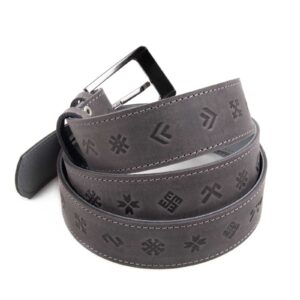
Leather Belt with Ethnographic Signs, Grey
59,00 €Select options This product has multiple variants. The options may be chosen on the product page -
Merino Wool Socks with Cushion, Everyday, Grey
25,90 €Select options This product has multiple variants. The options may be chosen on the product page -
-
Unisex Hoodie “The Heart of Life”, LATVIJA, Olive Green
39,00 €Select options This product has multiple variants. The options may be chosen on the product page






Highlights of the week
-
-
-
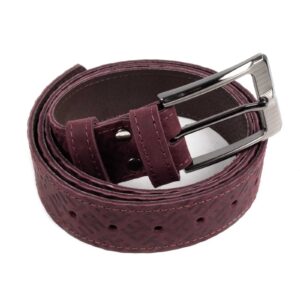
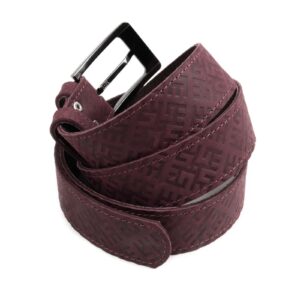
Leather Belt with Fire Cross Pattern, Burgundy
59,00 €Select options This product has multiple variants. The options may be chosen on the product page -
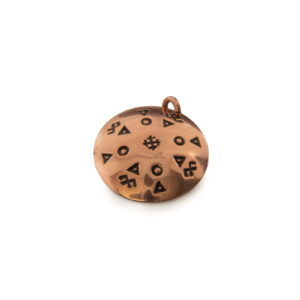
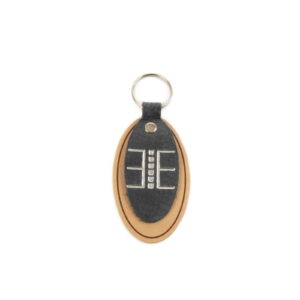
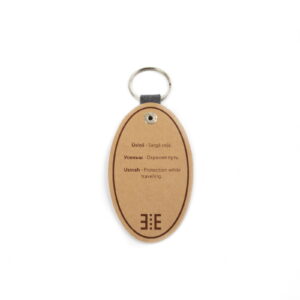
Leather Keychain with Usinsh Sign
6,50 €Select options This product has multiple variants. The options may be chosen on the product page

Wonderful ethnographic gift ideas
-
-
-
Unisex T-shirt “Forest with Lielvardes Belt Pattern”, Light Grey
19,50 €Select options This product has multiple variants. The options may be chosen on the product page -
-
-
-
-









Shop by product type
AllTraditional jewelry (21)Ethnographic signs (15)Bracelets (14)Belts (12)coasters (12)Baseball Caps (11)Keychains (11)Sports fan clothing (11)Hats (10)Socks (10)Scarves (9)Necklaces & Pendants (7)Earrings (6)Hoodies (6)T-shirts (6)Plates & Dishes (5)Towels (4)Cups & Mugs (3)Gift sets (3)Notebooks (3)Accessories (2)Sweaters & Jackets (2)Tote bags (2)Adult games (1)
Explore and find even more
-
Double Wrap Leather Bracelet with Lielvardes Belt Pattern, Beige
26,90 €Select options This product has multiple variants. The options may be chosen on the product page -
Unisex T-shirt with Ethnographic Pattern “Heart of Life”, LATVIJA, Grey
19,50 €Select options This product has multiple variants. The options may be chosen on the product page -
Unisex T-shirt with Ethnographic Pattern “Heart of Life”, LATVIJA, Grey
19,50 €Select options This product has multiple variants. The options may be chosen on the product page -
Unisex T-shirt with Ethnographic Pattern “Tree of Life”, LATVIJA, Olive Green
19,50 €Select options This product has multiple variants. The options may be chosen on the product page -
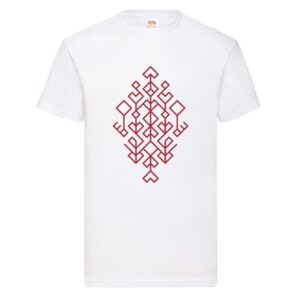
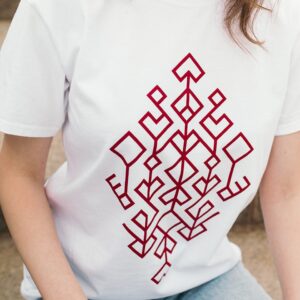
Unisex T-shirt with Ethnographic Pattern “Tree of Life”, LATVIJA, White
19,50 €Select options This product has multiple variants. The options may be chosen on the product page -
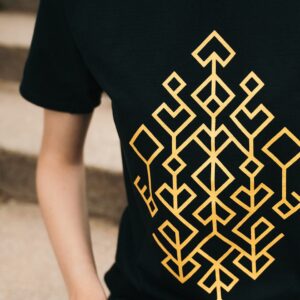
Unisex T-shirt with Ethnographic Pattern “Tree of Life”, LATVIJA, Black
19,50 €Select options This product has multiple variants. The options may be chosen on the product page -
Unisex T-shirt “Forest with Lielvardes Belt Pattern”, Light Grey
19,50 €Select options This product has multiple variants. The options may be chosen on the product page -
-
-
-
-
-
-
-
-




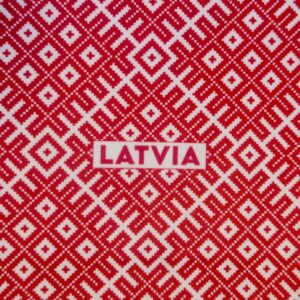


Latvian ethnography
Ethnographic symbols in Baltic culture are more than ornamentation - they are a visual language passed through generations. You’ll find them woven into belts, carved into wooden tools, embroidered on clothing, and worn as jewelry or amulets, each sign carrying a specific meaning tied to protection, strength, harmony, fertility, or the rhythm of nature. These motifs reflect the worldview of our ancestors: life as a relationship between the home and the wider world, the Earth and the sky, the visible and the unseen.
In this collection, we bring together gifts inspired by Latvian and Baltic ethnography - pieces that honor tradition while fitting naturally into modern everyday life. Whether you choose a symbol for its story, its aesthetic, or its personal resonance, it can become a quiet reminder of intention: to live with more awareness, to protect what matters, and to stay connected to your roots. Many people also enjoy selecting a sign as a meaningful gift - something that carries a message beyond words.
Ethnographic collection | Frequently Asked Questions
What does “Ethnography” mean in this collection?
In our store, “Ethnography” refers to designs inspired by Latvian and Baltic traditional culture - especially ancient symbols and ornament patterns found in folk costumes, jewelry, household items, and protective amulets. These motifs are used to express values like protection, balance, vitality, and connection to nature.
Are these symbols connected to religion or spirituality?
These signs come from pre-Christian Baltic cultural heritage and are often understood as protective or meaningful symbols rather than a single formal religion. Today, people wear them in different ways - some as spiritual reminders, some as cultural identity, and others simply because they appreciate the design and craftsmanship.
Moreover, ethnographic writings and the signs found in them are only one aspect of the rich worldview of the Balts' culture. As such, they should be perceived as part of a much broader spiritual understanding of the world around them and the order of the universe.
Are these ethnographic designs historically accurate?
All items in our Ethnography collection are created by local Latvian artists and craftsmen as modern interpretations of traditional Baltic patterns and motifs. While these are not museum replicas, we carefully curate designs that stay close to authentic ornamentation and reflect the spirit and visual language of historical ethnographic sources. Some items are direct references to traditional motifs, while others are contemporary interpretations inspired by ethnographic patterns.
Our goal is to offer pieces that feel contemporary and wearable - yet still respectful, recognizable, and rooted in tradition.
Do ethnographic symbols “work” if you don’t know their meaning?
Many customers enjoy learning the meaning, but it’s not a requirement. A symbol can still serve as a personal reminder or a cultural connection. If you do resonate with the traditional interpretation, wearing it with intention—through daily habits, actions, and thoughts—often makes it feel more meaningful.
How do I choose the right symbol as a gift?
A good approach is to choose based on the message you want to give (for example: protection, strength, harmony, love, family, new beginnings). If you’re unsure, select a versatile, widely loved motif or pick one that matches the recipient’s personality and life stage (graduation, new home, new baby, etc.).
Why do you feature the Fire Cross (swastika) in this collection?
The Fire Cross is an ancient symbol found in Latvian and broader Baltic ethnographic heritage long before World War II. It also appears in many cultures around the world across different eras, where it has been used to represent themes such as the Sun, movement, life force, and protection.
We understand the symbol was later appropriated by the evil regime and is therefore sensitive for many people today. However, our store has no connection to any extremist ideology. We feature the Fire Cross only in its historical, cultural, and ethnographic context - as part of traditional ornamentation and heritage-inspired design created by local artists and craftsmen. This is how we honor the worldview of our ancestors and continue to educate people about the true meaning of these universal symbols.