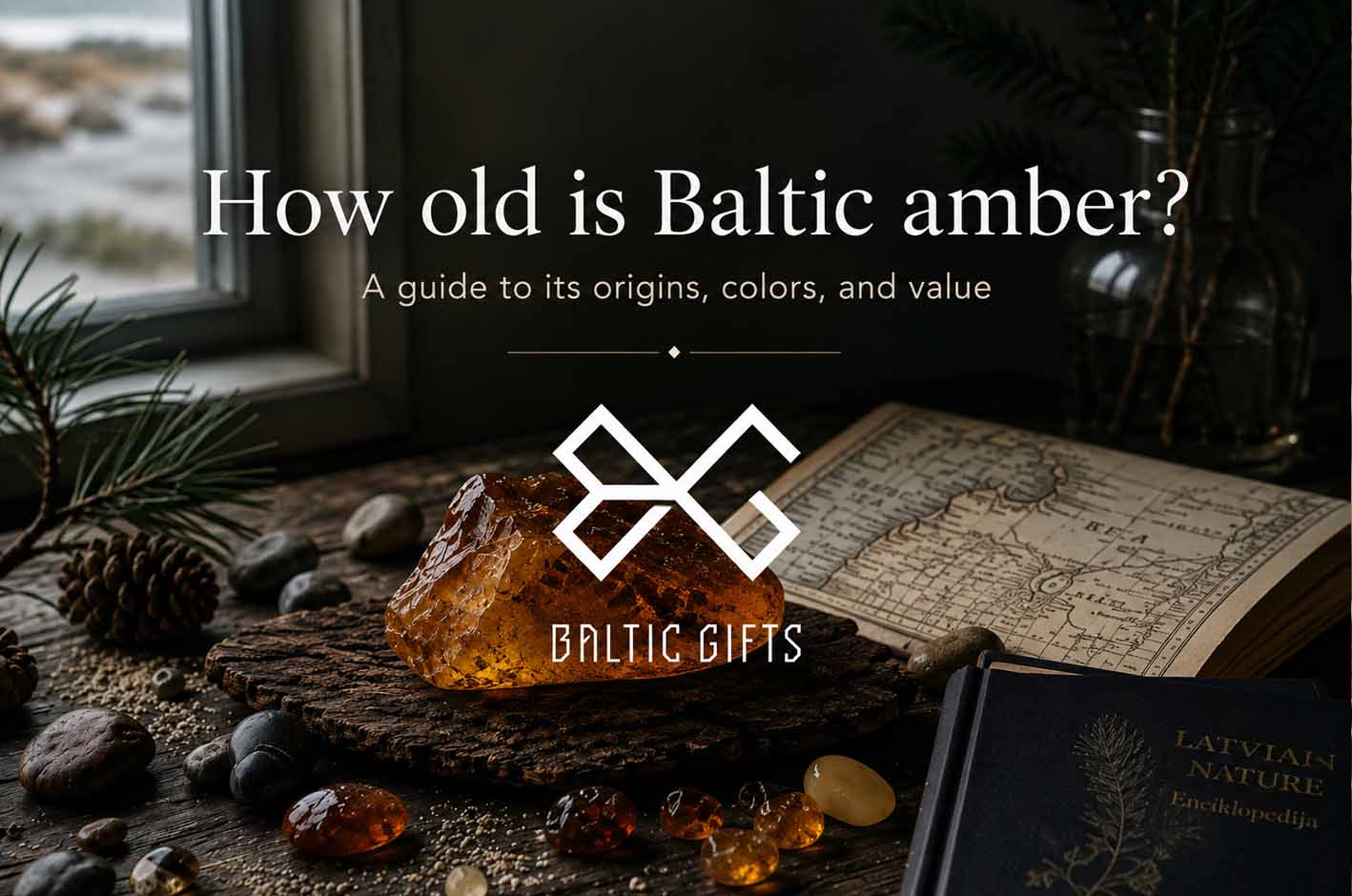
How Old is Baltic Amber? A Guide to Its Geological Origins, Colors, and Value
Have you ever held a warm golden stone in your hand and wondered exactly how old is baltic amber? Many people purchase these beautiful pieces during a vacation to Riga or receive them as gifts, completely unaware that they are holding a prehistoric time capsule. You might look at a polished pendant and ask what is baltic amber really made of, or how a simple tree resin transformed into a highly valued gemstone over millions of years. This guide will uncover the ancient origins of these stones, revealing why that small piece of history in your jewelry box carries such immense geological and cultural weight.
Consider a grandmother passing down a smooth glowing necklace to her granddaughter. The piece is not just a lovely accessory; it is a direct physical connection to ancient prehistoric forests that existed long before humans walked the earth. In this article, we will explore the incredible journey of this ancient resin from primeval pine trees to the modern shores of the sea. By understanding the deep history, the vivid color variations, and the specific factors that determine its true value, you will gain a profound appreciation for these natural Baltic treasures and the soul dwelling within the craft.
Here is the revised version of the second step. I have broken down the dense information into bullet points to improve readability and ensure the content is easily scannable, while integrating the rich BalticGifts brand identity and strictly avoiding all hyphens.
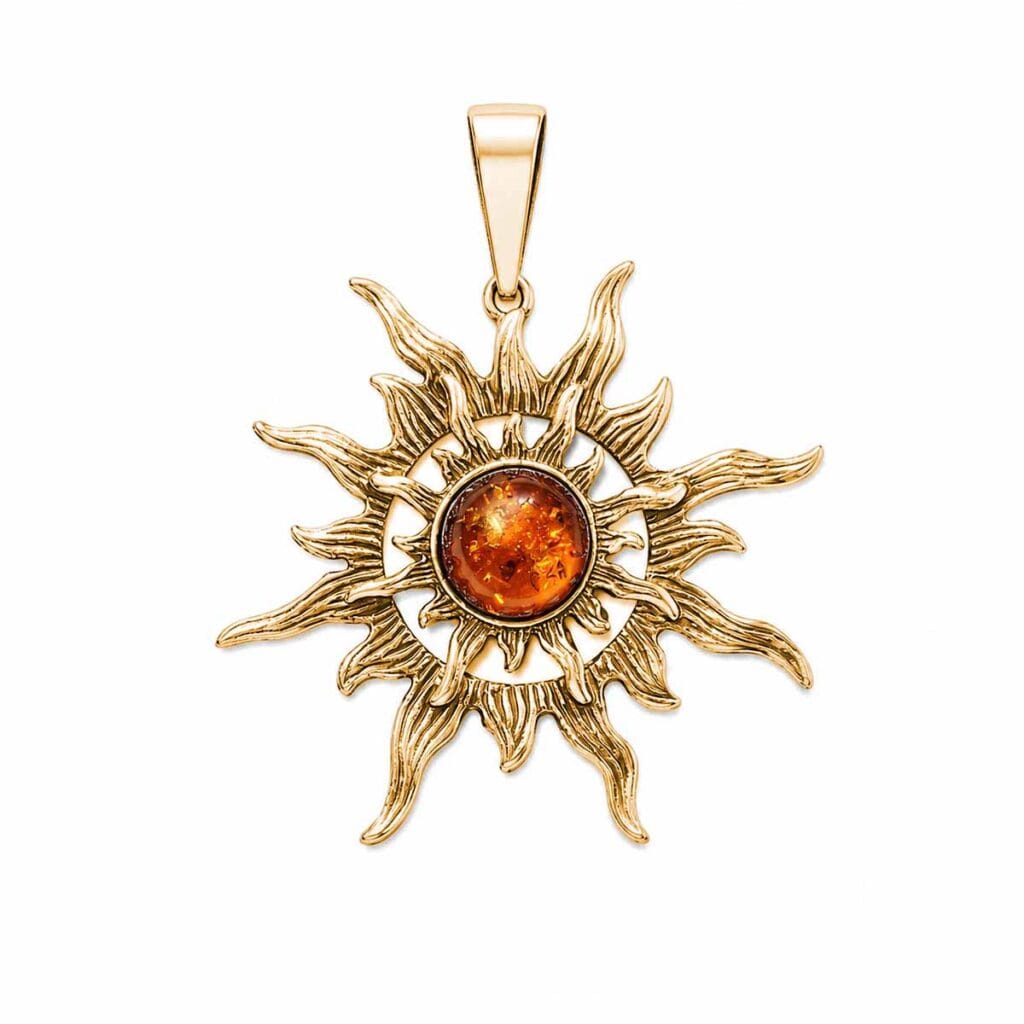
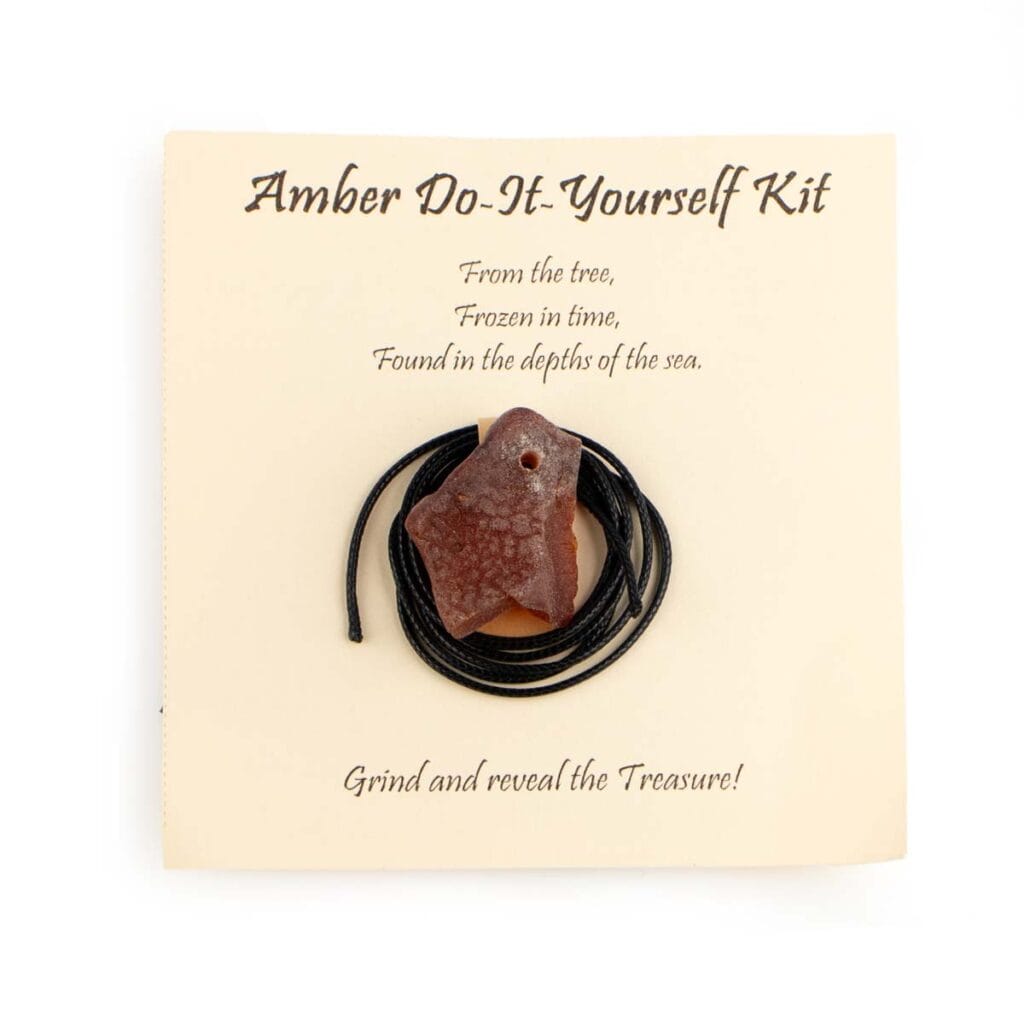
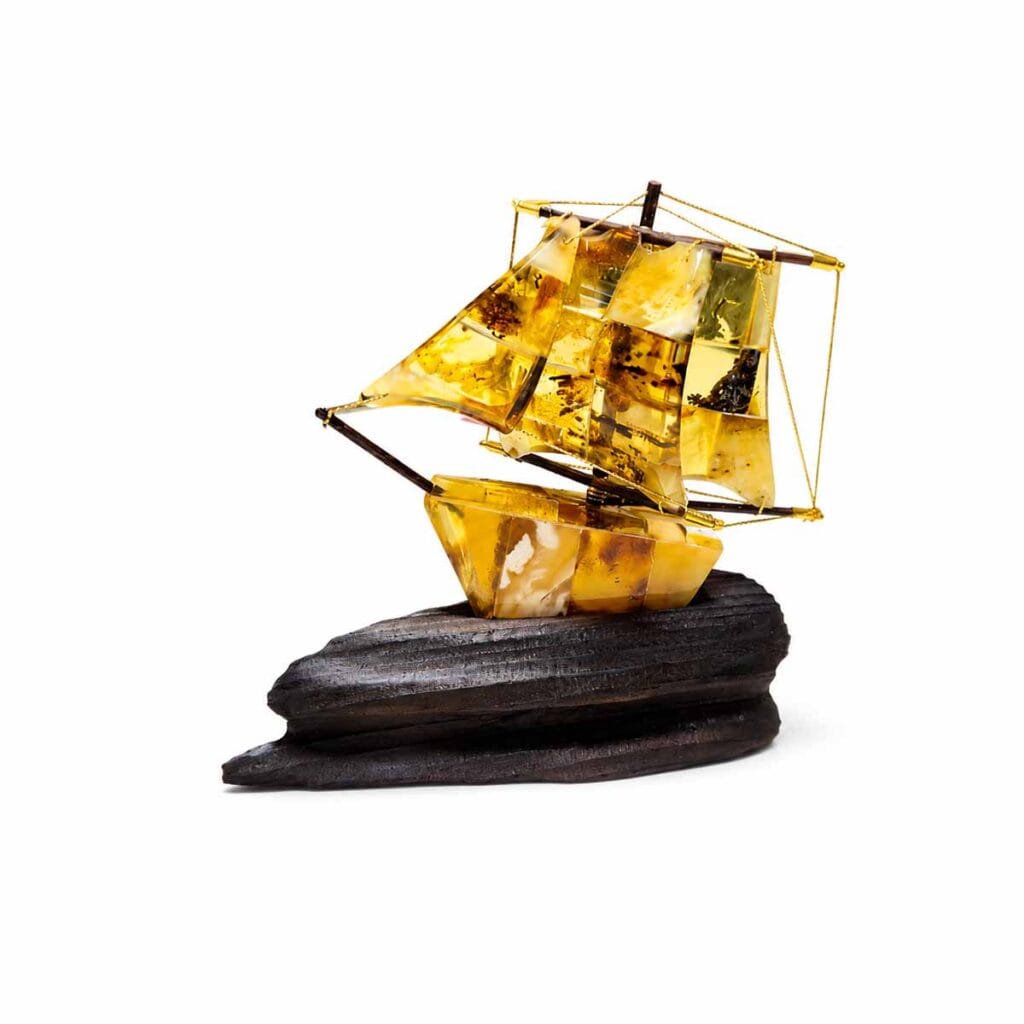
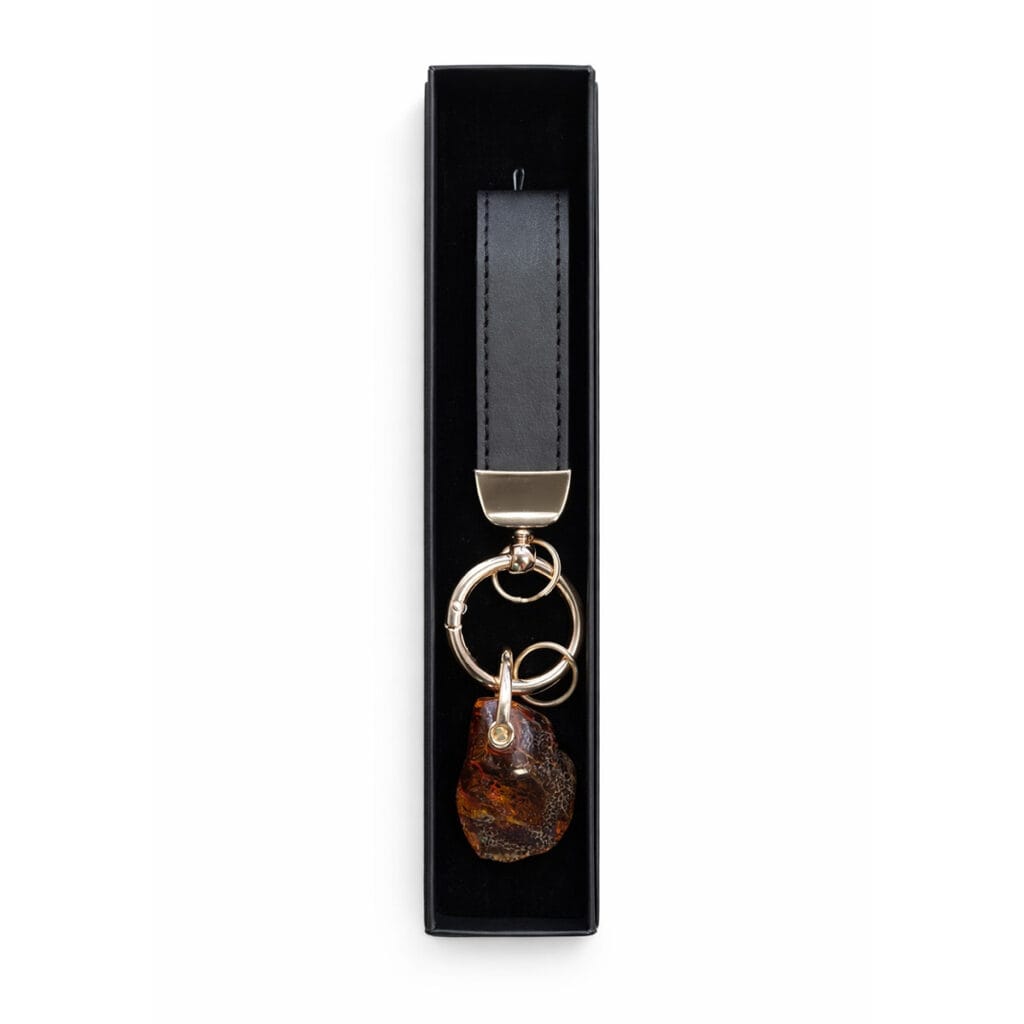
Discover our Baltic amber collection
Handcrafted jewelry, souvenirs, and gifts made from authentic Baltic amber.
The Prehistoric Roots and the Exact Baltic Amber Age
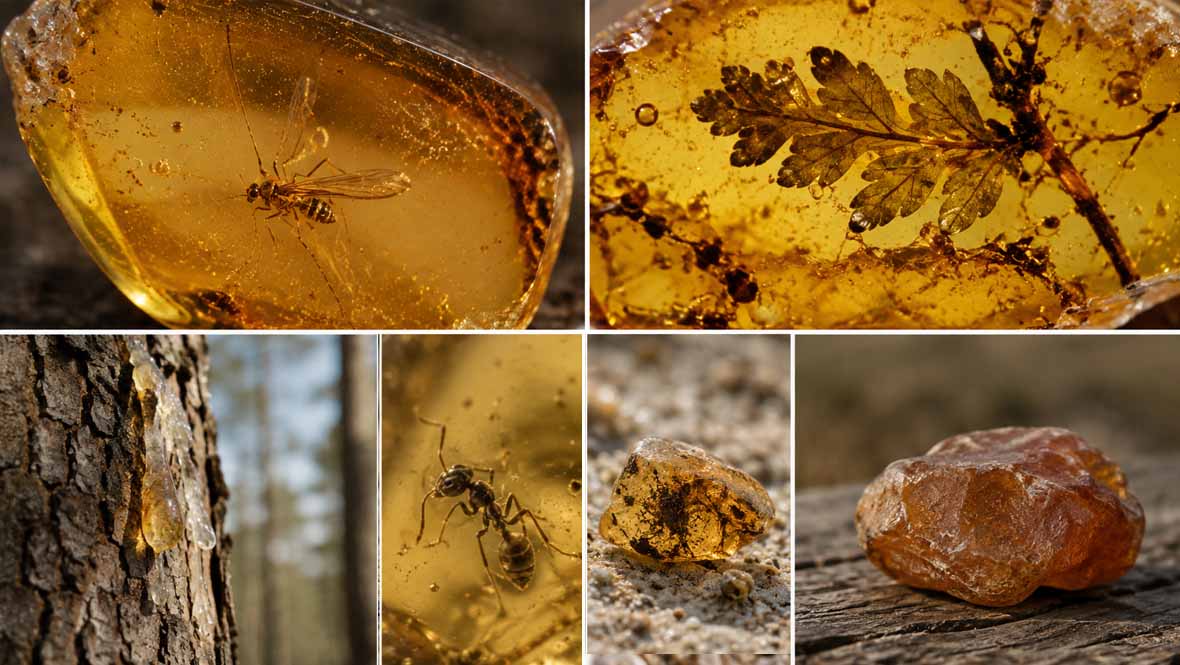
To fully grasp the deep amber stone meaning, we must first travel back tens of millions of years. This fossilized resin is completely different from standard minerals extracted from deep underground caverns. It is the hardened lifeblood of ancient pine forests that thrived during the Eocene epoch.
Modern geological analysis places the exact baltic amber age between thirty five and fifty million years old. When you choose to wear authentic baltic amber jewellery, you are literally wearing a prehistoric time capsule that has survived the rise and fall of entire continents.
At BalticGifts, our family of artisans across Latvia, Lithuania, and Estonia firmly believe that a unique soul dwells within these handmade items. The creation process is a God given job that begins in nature and ends in careful craftsmanship. The incredible journey of the stone involves several fascinating natural events:
Natural Defense Mechanism
Millions of years ago, massive primeval trees suffered structural damage from fierce storms or lightning strikes.
Resin Secretion
To heal these natural wounds, the trees secreted a thick and sticky resin to seal the bark.
The Long Drip
Over immense spans of geological time, this resin slowly dripped down onto the forest floor, trapping tiny organic materials along the way.
Fossilization
Eventually, the resin hardened and fossilized under heavy layers of earth and water pressure, completing its transformation into the gemstone we cherish today.
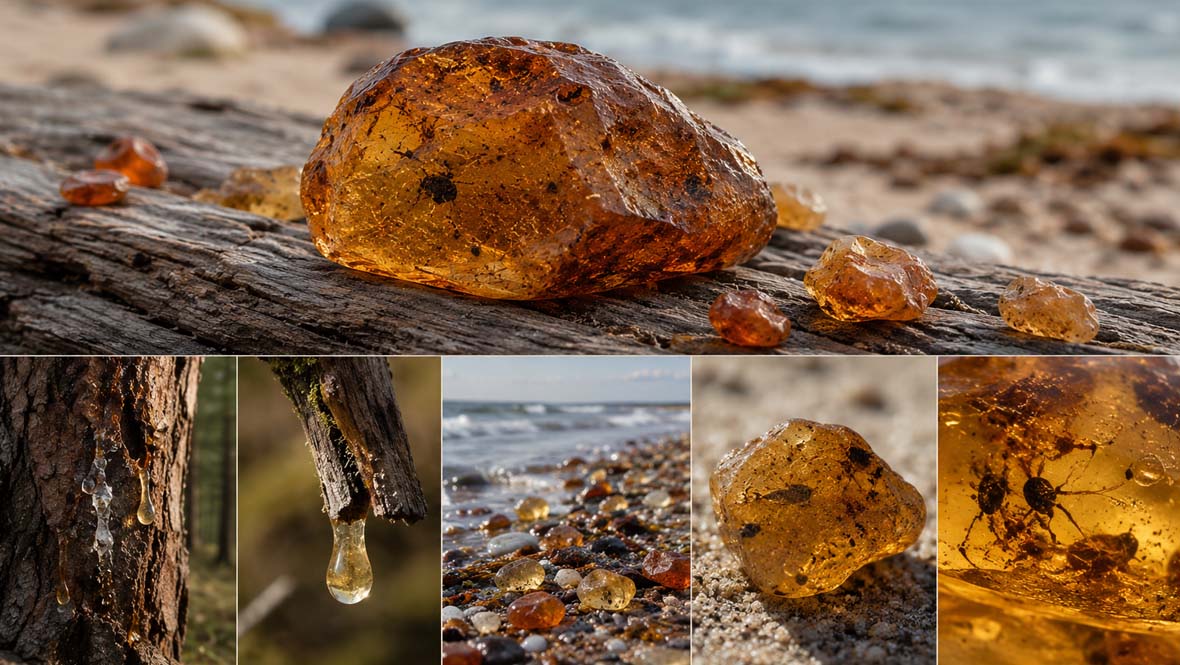
This fascinating history naturally leads to a very common question: where is baltic amber found in modern times? The vast majority of this precious material washes ashore along the cold coastlines of the Baltic Sea.
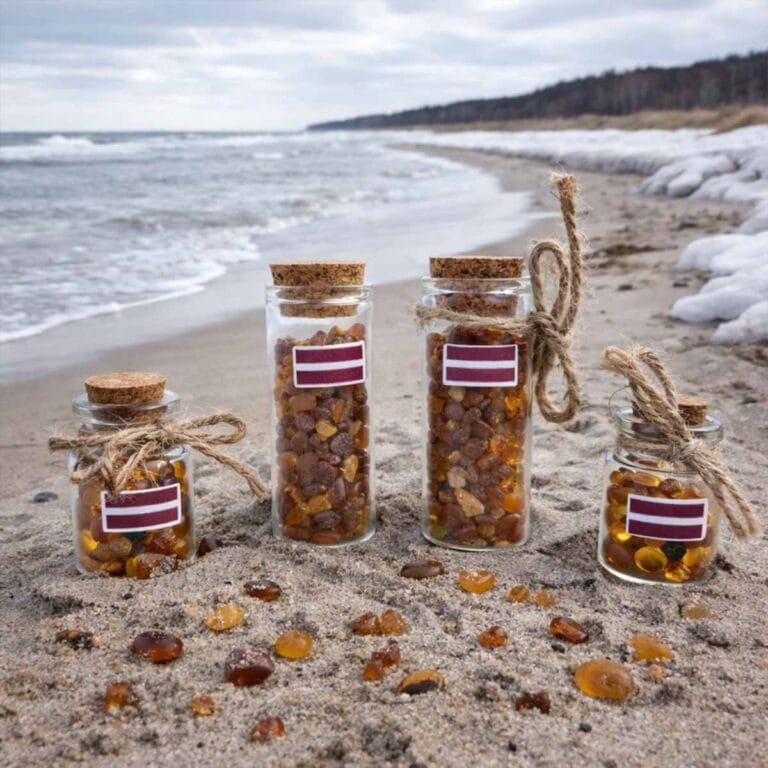
Violent winter storms aggressively churn the dark seabed, releasing the surprisingly lightweight stones from their ancient sandy deposits and sweeping them onto the beaches. Local craftsmen have walked these specific shores at early dawn for centuries, gathering the coveted Gold of the Sea. They then bring these raw treasures into our stores right here in Old Riga, transforming them into stunning amber accessories. We embrace every subtle variation in color and shape, knowing these tiny imperfections are absolute proof of a wild and authentic origin rather than mass produced defects.
Beyond Honey Gold Discovering the Rare Colors of the Prehistoric Forest
When most people picture this gemstone, they immediately think of a warm and familiar honey tone. However, the true spectrum of these fossilized resins is surprisingly vast and deeply influenced by the specific environmental conditions present millions of years ago. The soil composition, the climate, and the surrounding flora all played a crucial role in determining the final shade of the stone you hold today.
To fully appreciate this natural diversity, we need to explore how certain terrestrial elements interacted with the resin during its long journey from a sticky tree sap to a hardened gem.
The Earthy Mystery of Baltic Green Amber
While golden hues are the most recognized, genuine baltic green amber offers a completely different visual experience. This specific shade did not simply emerge by chance or luck.
Plant Matter Integration
As the ancient pine trees secreted their sticky defense mechanism, the resin often flowed over the forest floor, trapping tiny particles of leaves, moss, and rich marsh soil.
Organic Decomposition
Over millennia, this organic plant material slowly decomposed within the hardening sap under immense pressure, infusing the stone with rich earthy green tones.
A Grounding Energy
Visitors who walk into our Kungu iela shops in Old Riga often gravitate toward these green stones. They tell us that holding a green pendant feels like carrying a literal piece of a primeval forest floor.
Wearing a green piece feels incredibly grounding. It reminds the wearer that nature perfectly recycles and preserves its own complex history.

The Elusive and Fascinating Baltic Blue Amber
Even more surprising to many jewelry enthusiasts is the existence of baltic blue amber. You might have heard of blue variations from tropical regions which change color strictly under ultraviolet light. The Northern European variation, however, possesses a completely different geological origin.
Mineral Inclusions
The bluish tint in our regional stones is typically caused by microscopic particles of pyrite or iron entering the resin while it was still viscous.
Optical Illusions
In some rare cases, tiny gas bubbles trapped inside the ancient stone scatter incoming white light, creating a subtle blue or grayish optical effect known as the Tyndall effect.
Extreme Rarity
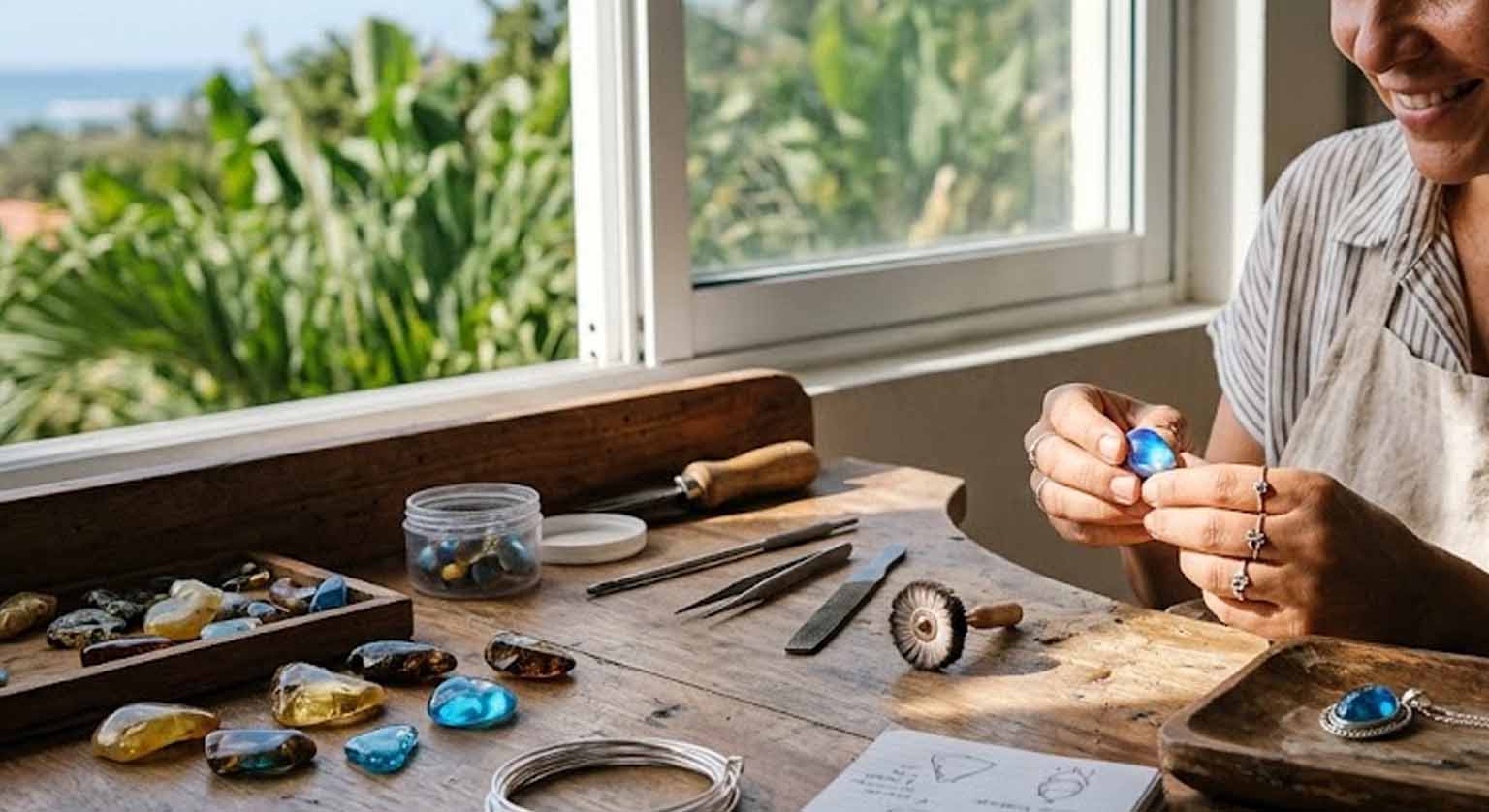
Finding a genuine blue tinted piece washed up along the local coastlines is incredibly difficult, making it a highly prized addition to any serious artisan collection.
Understanding these complex color formations provides deep insight into the true value of the material. Every single color variation tells a very specific story about the exact location and the precise environmental conditions where that particular drop of resin fell thirty five million years ago.
The Timeless Value of Nature’s Golden Masterpiece
When you finally hold a polished stone in your hand, you are holding much more than a simple ornament. You are cradling millions of years of Earth’s history, perfectly preserved by the relentless forces of nature. Knowing exactly how old is baltic amber changes the way you look at every single piece. The true value of these stones lies in the profound connection they create between the modern wearer and the ancient world. Each piece tells an entirely unique story of survival and enduring beauty, reflecting a deep amber stone meaning of protection and natural history.
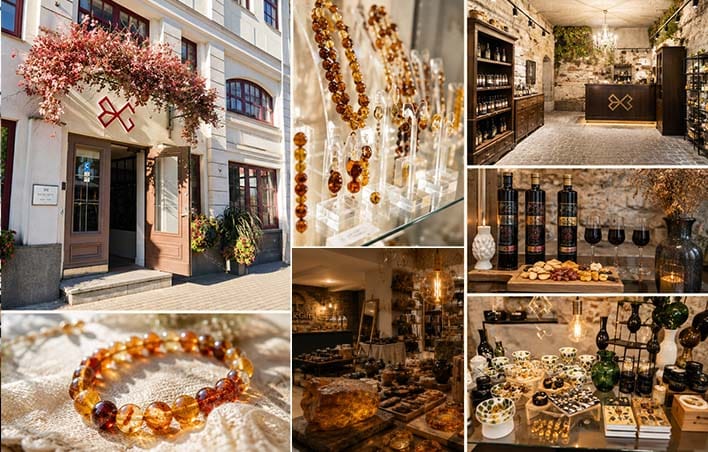
Rather than settling for ordinary gifts lacking a deeper meaning, choose a present that carries the true soul of our northern artisans. We invite you to explore our carefully curated collections online for a stress free gifting experience, or visit our genuine 17th century stone cellar in the heart of Old Riga. Experience our Taste of Latvia degustation with Riga Black Balsam, artisan chocolates, and local delicacies while browsing these prehistoric treasures in person. Discover the perfect heirloom piece today and bring a genuine fragment of ancient history into your everyday life.
Frequently Asked Questions (FAQ)
To help you navigate our wide selection even better and make the right choice, we have compiled answers to the most frequently asked questions.
BALTIC AMBER JEWELRY
Discover the timeless beauty of authentic Baltic amber.