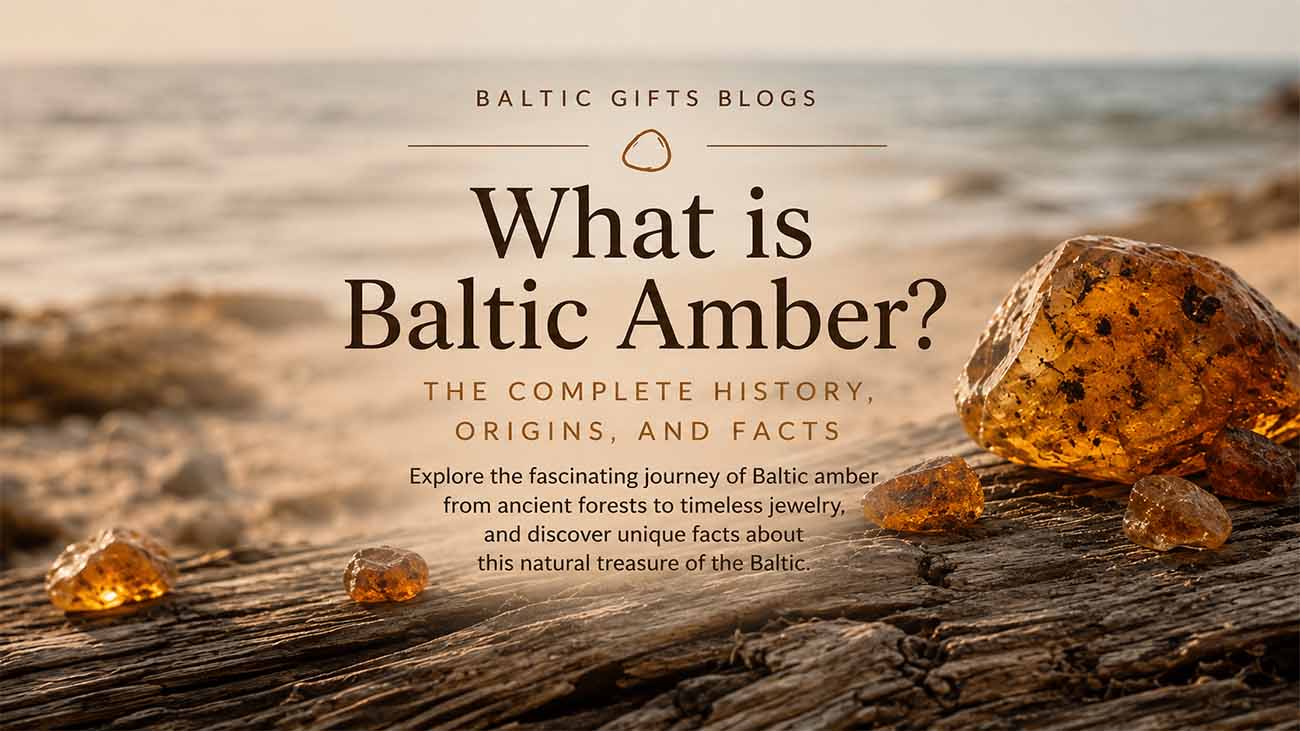
What is Baltic Amber? The Complete History, Origins, and Facts
For centuries, travelers and collectors encountering the warm golden radiance of northern gemstones have asked a fundamental question: exactly what is baltic amber and what makes it distinct from ordinary fossilized resins found elsewhere on earth? The global market frequently conflates true geological treasures with immature copal, glass, or plastic imitations, leaving buyers seeking genuine clarity regarding origin, chemical structure, and cultural value. Understanding the true nature of this prehistoric material provides absolute clarity, transforming appreciation of a gemstone into a deep connection with earth history.
Geologically defined as a fossilized tree resin from ancient primeval forests, this natural material represents one of northern Europe’s most significant natural phenomena. Collectors exploring authentic regional collections soon learn to appreciate that genuine pieces carry a distinct physical soul, where subtle organic inclusions, sun spangles, and natural color variations serve as undeniable markers of real origin. This comprehensive guide examines the ancient origins, geological formation, historical trade routes, and practical identification methods that define this celebrated Gold of the Sea.
Geological Origins and Formation of Baltic Gemstones
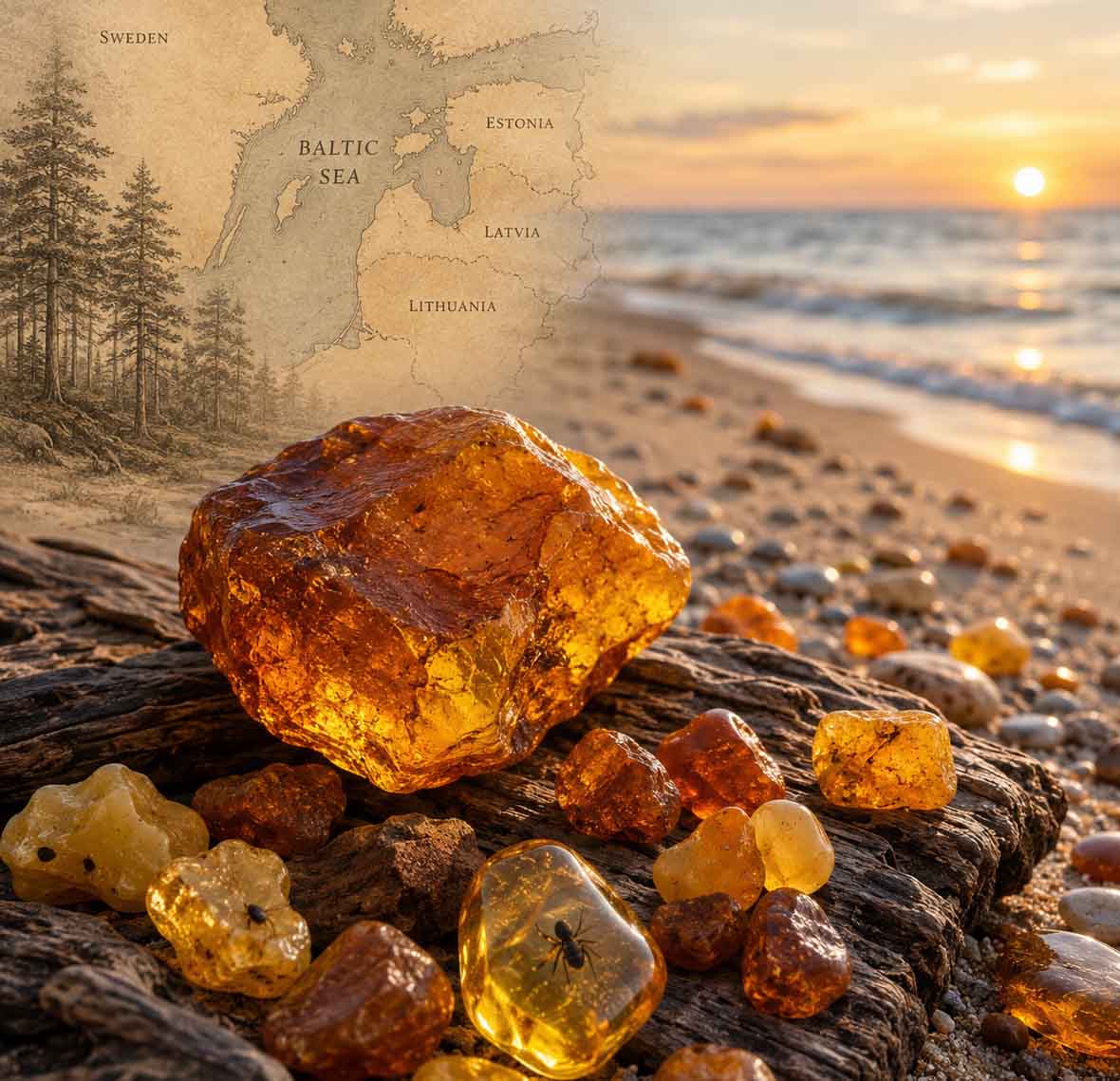
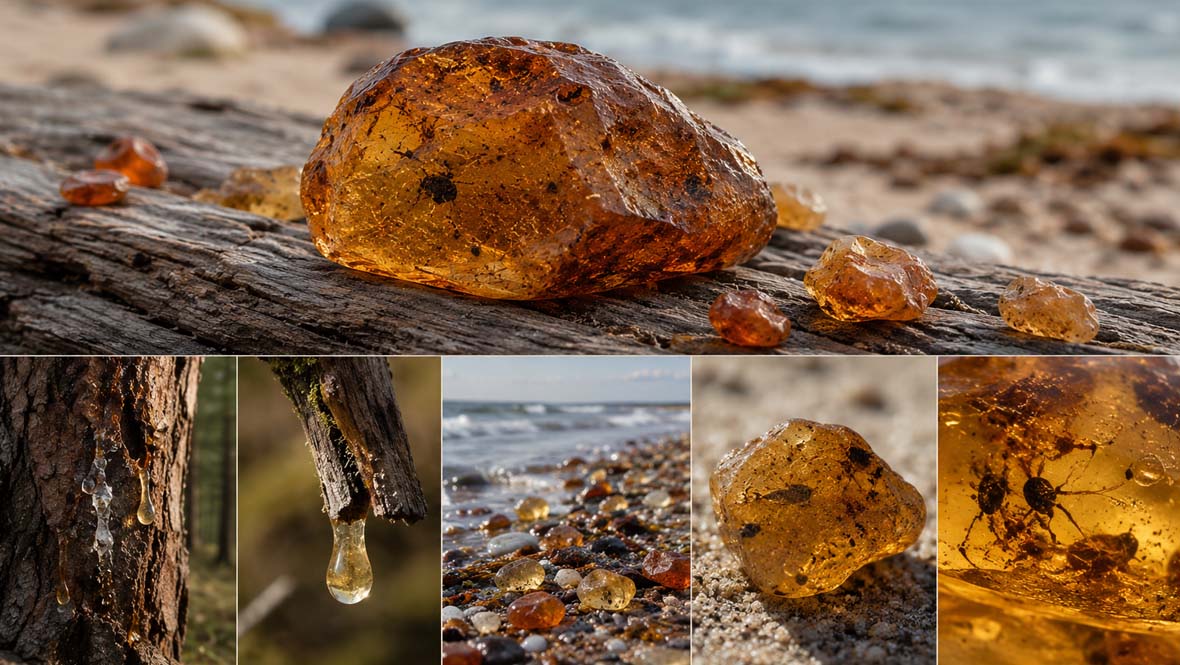
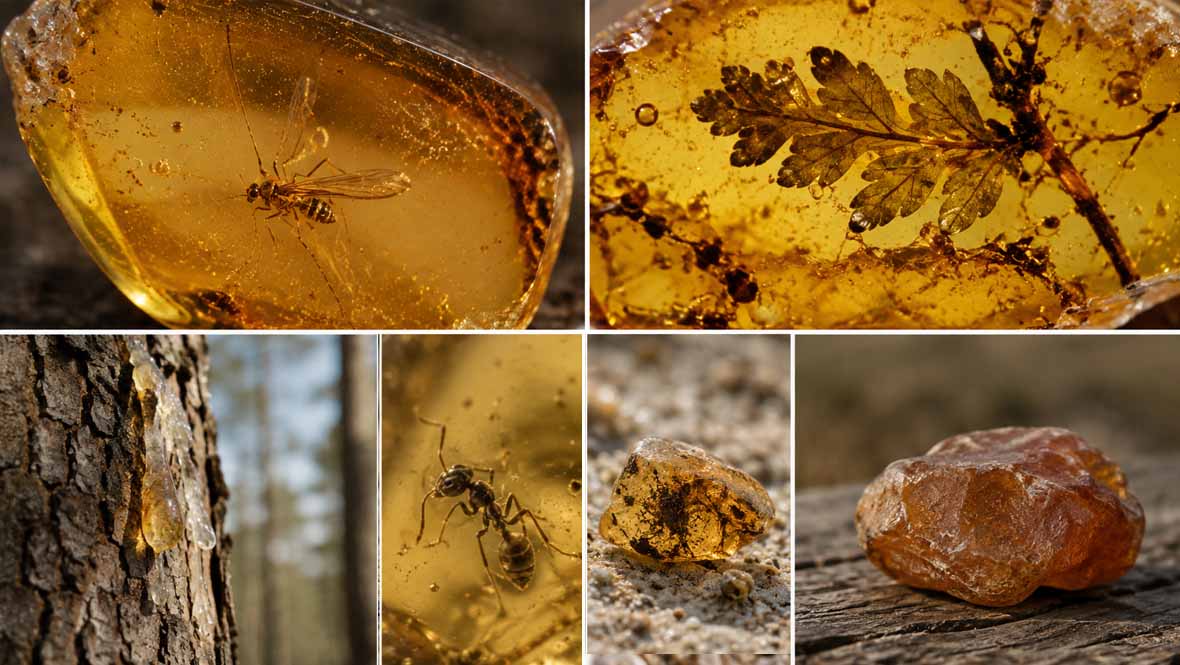
To comprehend what is baltic amber from a scientific standpoint, one must look back between thirty five and fifty million years to the Eocene epoch. During this prehistoric era, vast primeval pine forests covered northern Europe, particularly areas that modern geographers identify as Scandinavia and the Baltic Sea basin. A warming global climate, combined with environmental shifts and pest infestations, caused these ancient conifer trees to secrete massive quantities of thick, protective resin to seal their bark wounds.
Unlike ordinary tree sap, which consists primarily of water soluble sugars and evaporates quickly, resin contains dense organic polymers, succinic acid, and complex terpenoids. Over millions of years, as these ancient trees died and fell into forest soils, rivers washed the hardened resin deposits down into shallow marine sediments. Submerged beneath ocean floor strata without oxygen, the resin underwent polymerization, gradually transforming into the hard, stable fossilized gem known as succinite.
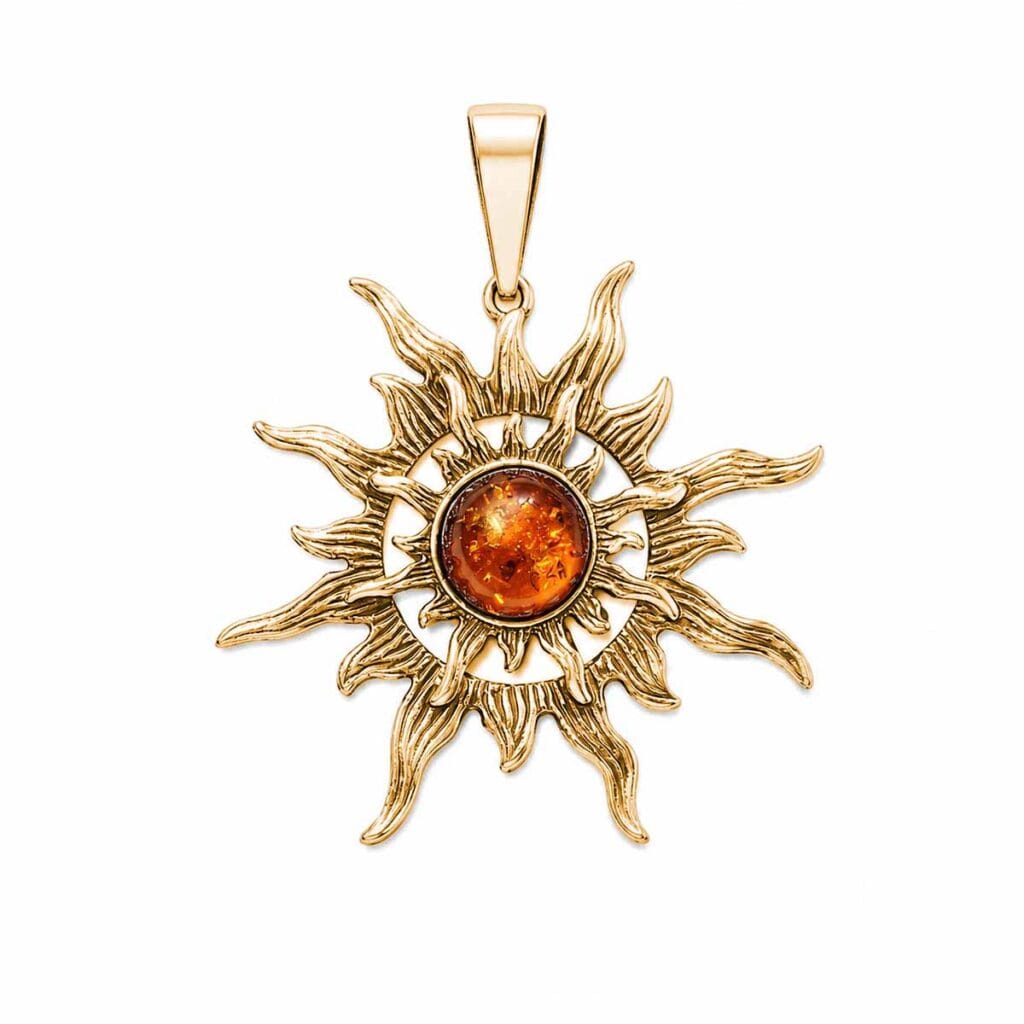
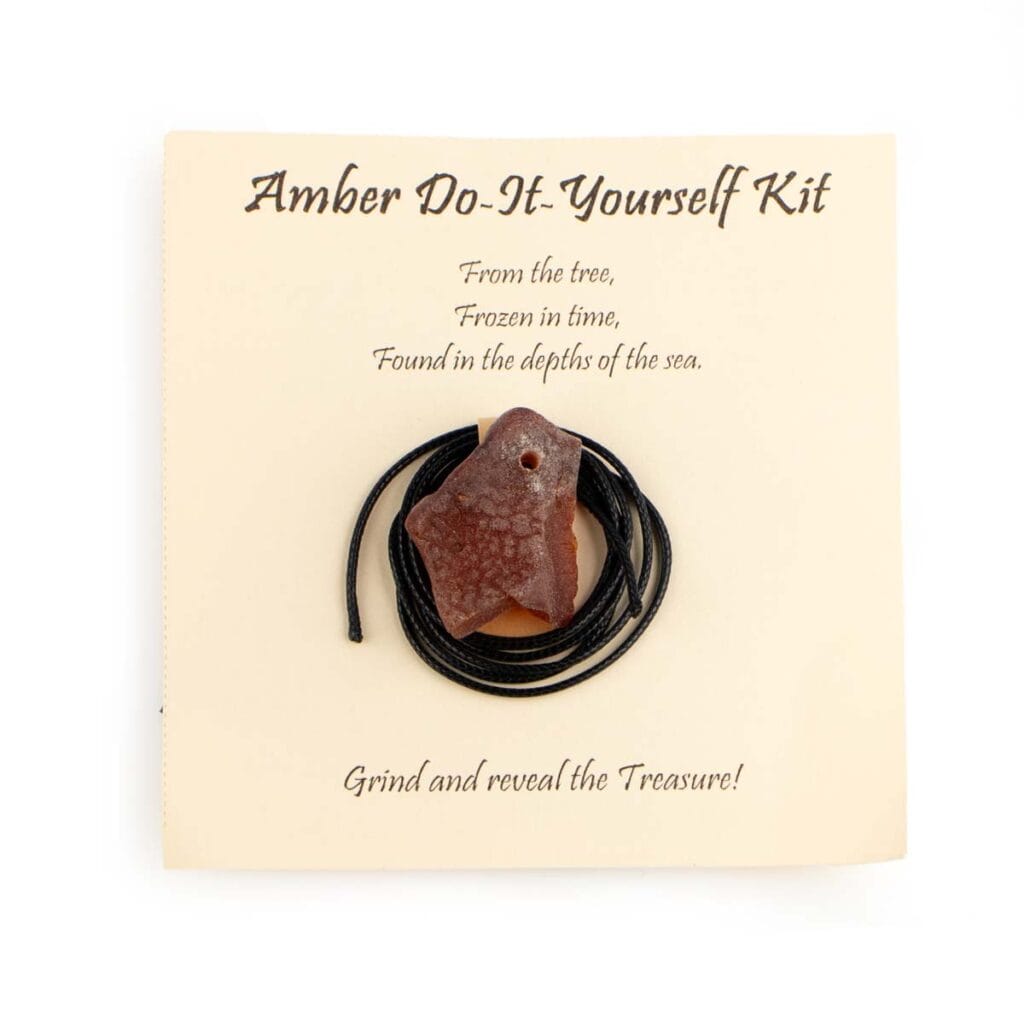
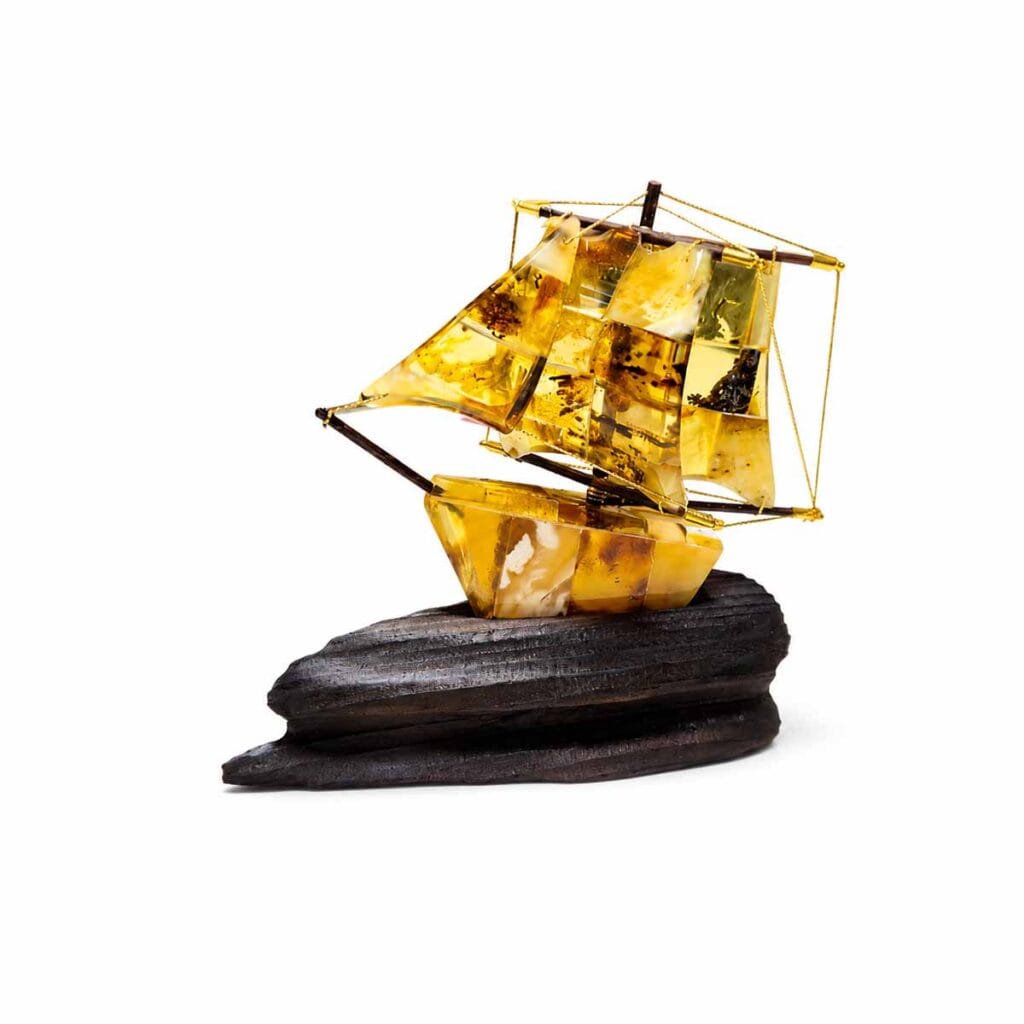
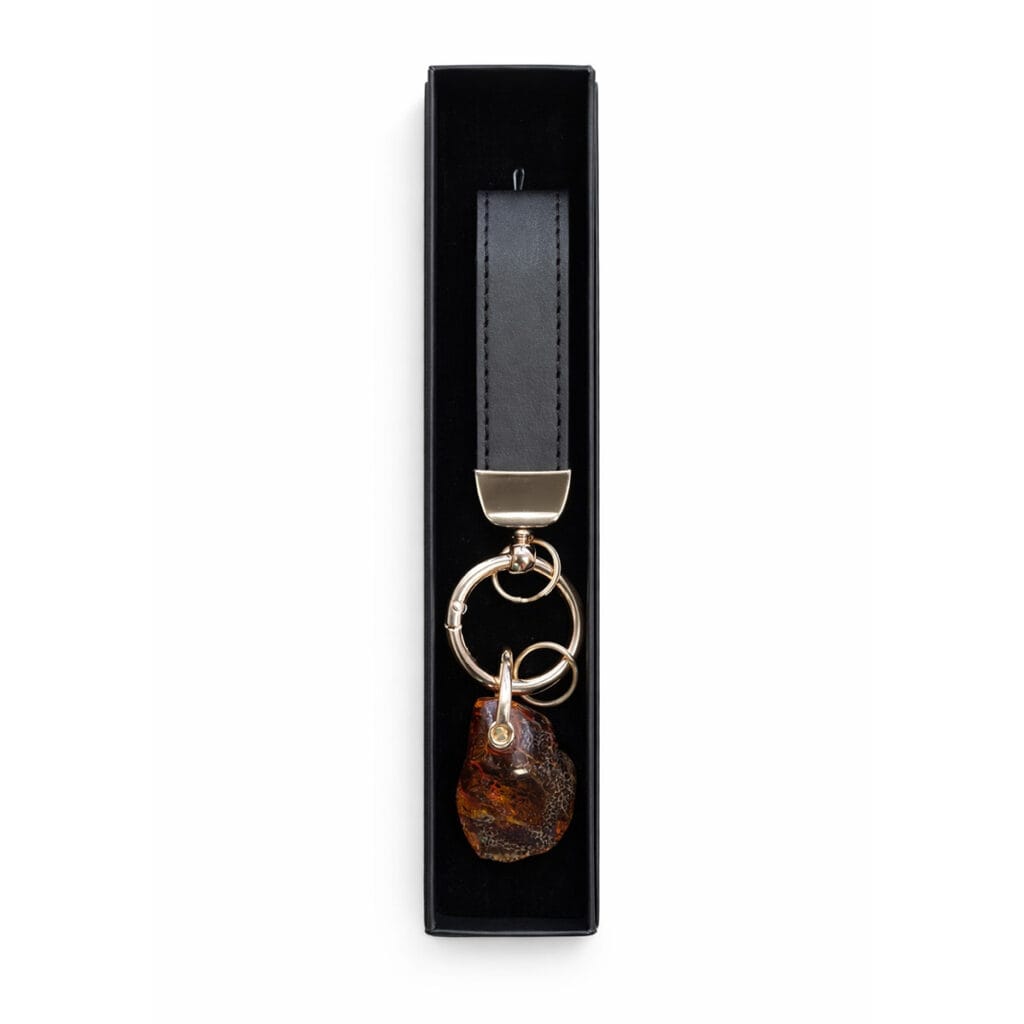
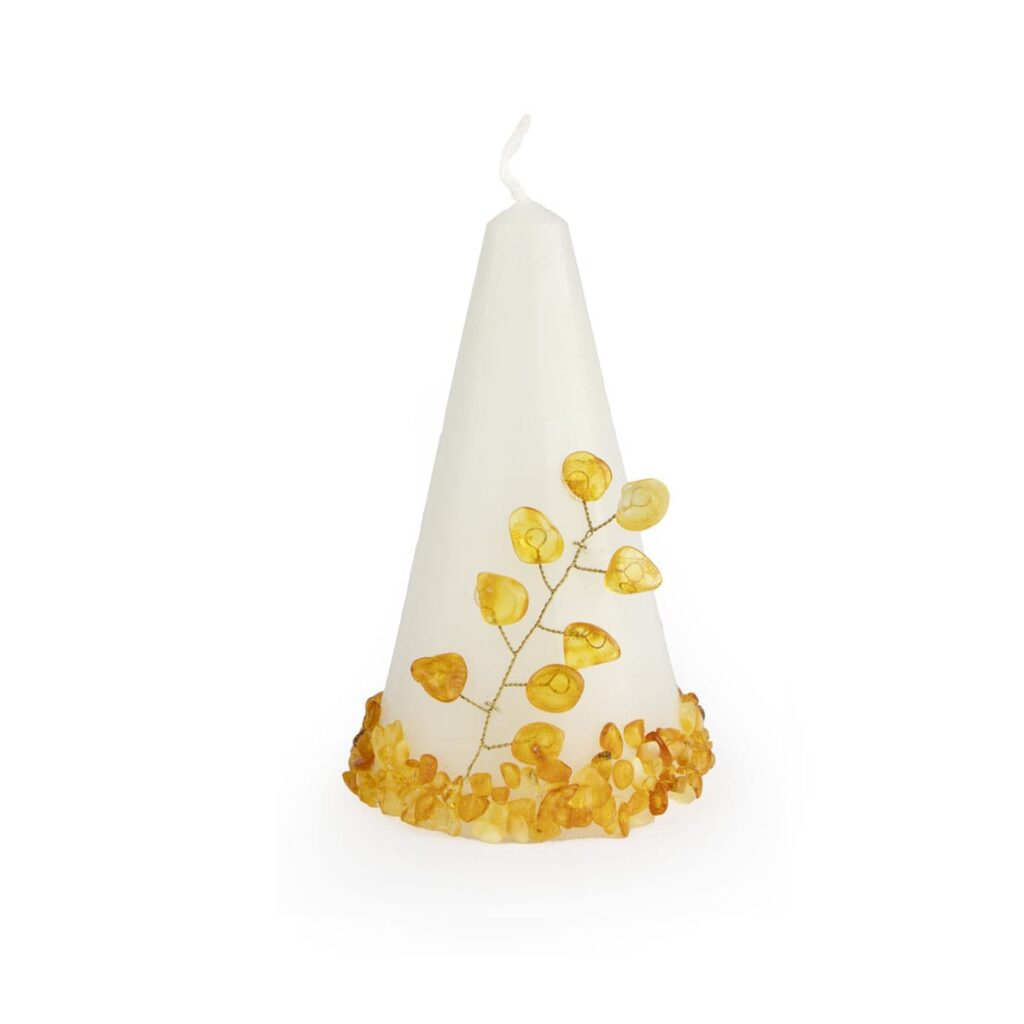
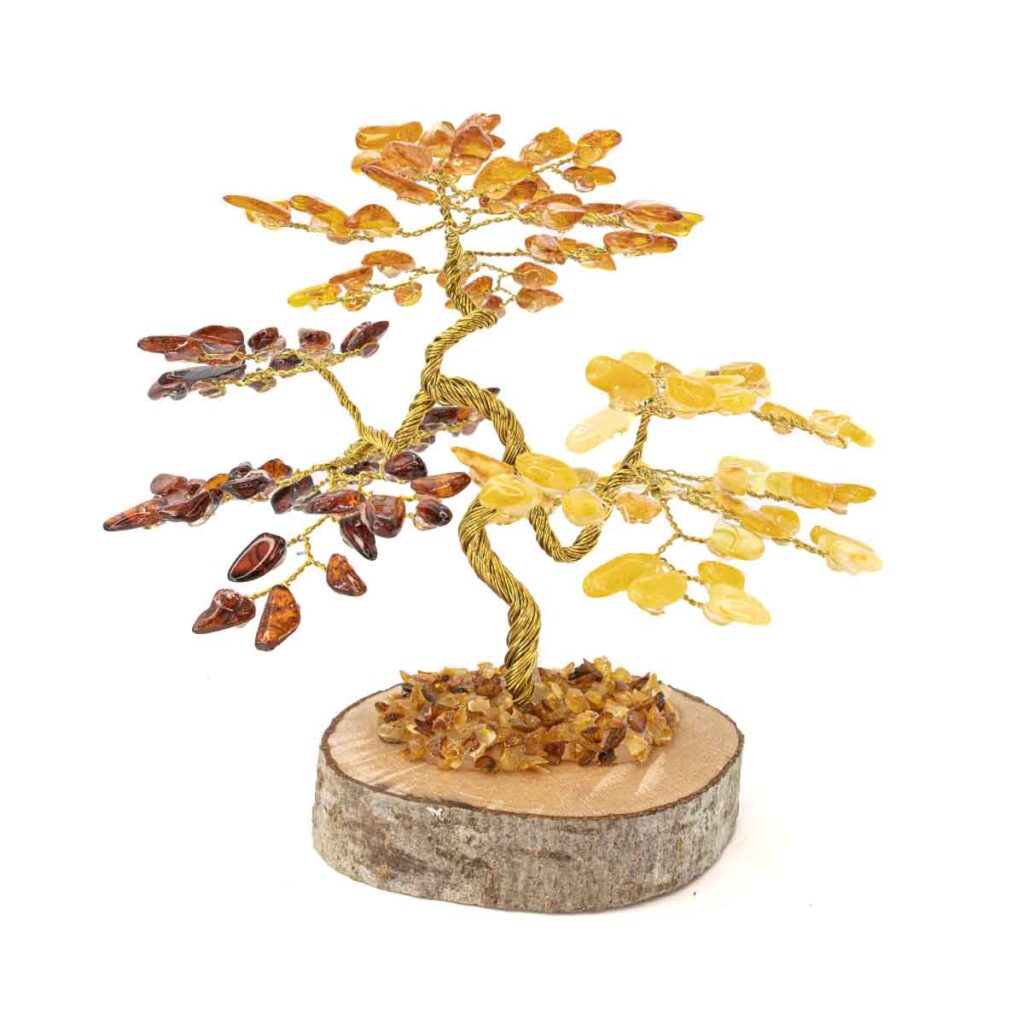
Discover our Baltic amber collection
Handcrafted jewelry, souvenirs, and gifts made from authentic Baltic amber.
Primeval Resin vs Immature Copal
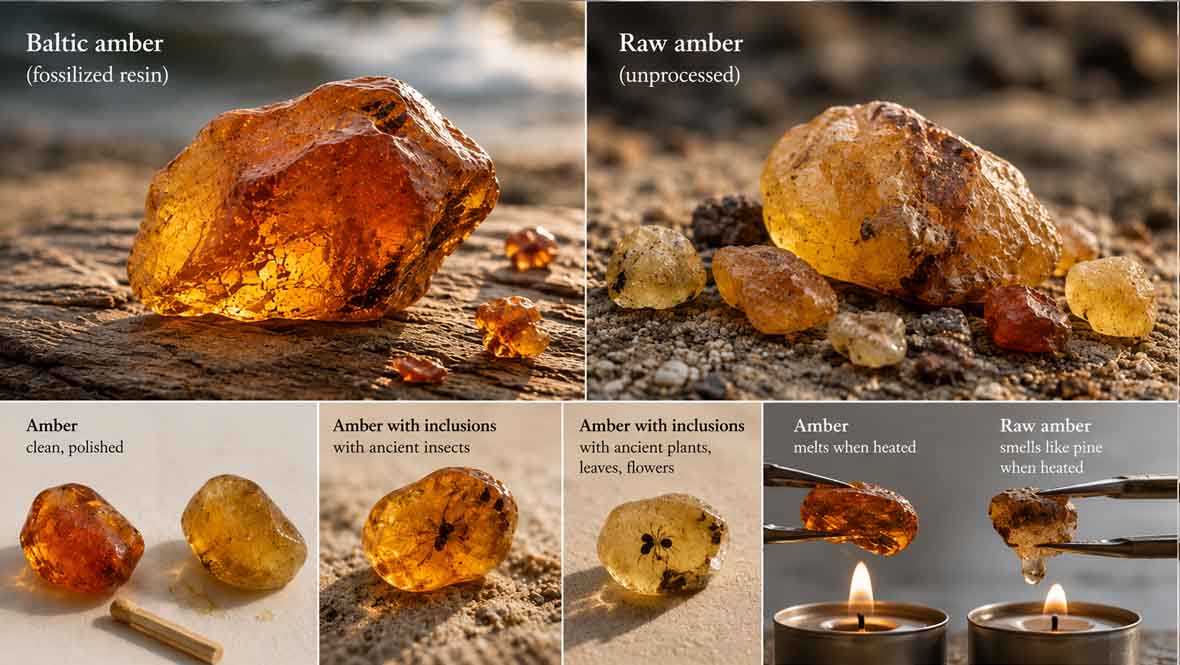
Understanding where does baltic amber come from requires differentiating genuine prehistoric fossilized resin from younger, unpolymerized organic resins known as copal.
Age and Polymerization
Genuine resin from northern Europe formed tens of millions of years ago, achieving complete molecular stability. Copal, sourced primarily from modern tropical trees, is often less than a few thousand years old and remains soft and chemically reactive.
Thermal Resiliency
When subjected to gentle friction or testing, immature resins degrade or turn sticky rapidly under alcohol or mild heat. Authentic fossilized gems withstand environmental conditions while maintaining their structural integrity.
Chemical Fingerprint
True succinite features a high concentration of succinic acid, ranging between three and eight percent. Copal lacks this specific molecular ratio, making succinic acid content the definitive scientific fingerprint of genuine regional origin.
Earth’s Time Capsule Insects and Plant Inclusions
One of the most captivating aspects of this natural phenomenon is its ability to preserve ancient life with microscopic precision. As liquid resin flowed down prehistoric pine trunks, it frequently trapped airborne dust, plant spores, seeds, and small forest insects.
Because resin rapidly sealed these organic inclusions from oxygen, bacteria, and moisture, delicate anatomical structures were preserved in extraordinary detail. Entomologists and palaeobotanists regularly study these natural inclusions to reconstruct Eocene ecosystems. When you observe a tiny gnat, ant, or oak leaf fragment suspended inside a golden stone, you are looking directly into a preserved moment of earth history that occurred long before early humans existed.
This remarkable formation process helps answer the question of how old is baltic amber, establishing its status as a true geological record of primeval life rather than a simple decorative mineral mined from solid rock. Exploring these ancient origins provides clear context for evaluating its value before learning how to tell if amber stone is real or appreciating the traditional amber stone meaning attached to these historic gems.
The Ancient Trade Routes and Baltic Amber History
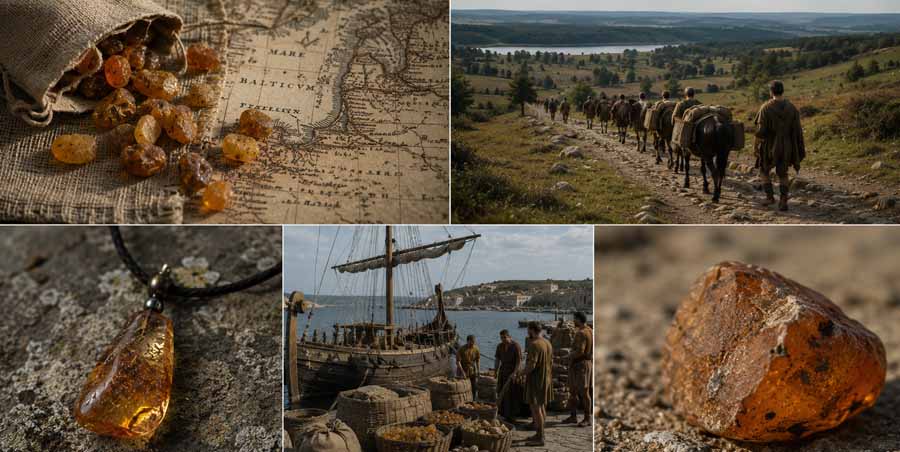
To understand the global impact of this fossilized resin, one must examine baltic amber history and the extensive commercial networks built around it. Long before modern trade agreements existed, this prized commodity served as one of the primary drivers of international commerce across the European continent.
During the Roman Empire, demand for northern resin reached unprecedented heights. Roman merchants established the legendary Amber Road, a complex network of overland trade routes connecting the shores of the Baltic Sea to the Mediterranean coast. High quality raw resin was transported south to be carved into luxury jewelry, gladiatorial amulets, and ornate vessels. The Roman historian Pliny the Elder recorded that a small carved figure made from northern resin was worth more than a healthy living slave, demonstrating the tremendous cultural and monetary value assigned to this Gold of the Sea.
Medieval Monopolies and Regional Craftsmanship
As centuries progressed, control over these precious coastal deposits shifted dramatically during the Middle Ages:
The Teutonic Monopoly
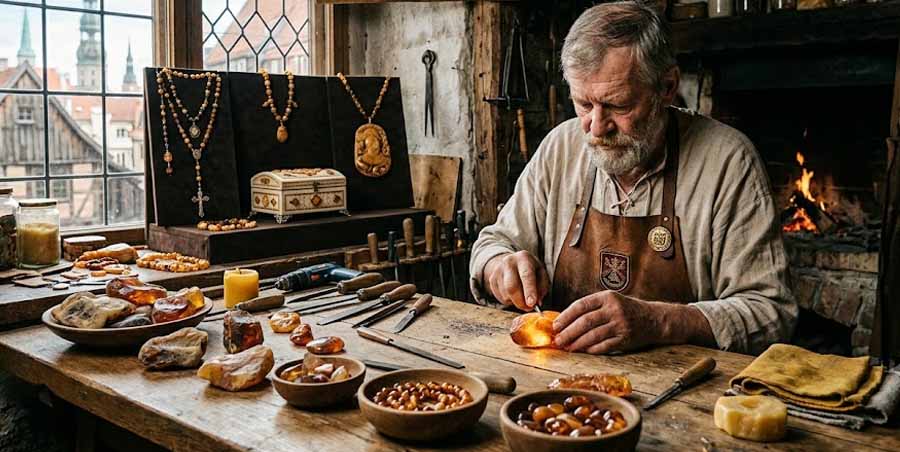
The Teutonic Order enforced a strict monopoly over collection along the Baltic shores during the thirteenth and fourteenth centuries, requiring all unprocessed resin to be delivered directly to knightly authorities.
Harsh Penalties
Unauthorized possession of raw beach resin was severely punished under strict medieval decrees to protect state revenue.
Guild Emergence
Despite these restrictions, regional guilds of master turners gradually emerged in coastal trade hubs like Gdańsk, Riga, and Königsberg.
Specialized Masterworks
Early master craftsmen developed specialized techniques for cutting, polishing, and setting raw resin into elaborate religious rosaries, royal gifts, and intricate cabinet inlays.
This rich historical legacy lives on today across Latvia, Lithuania, and Estonia. Local artisans continue to preserve these centuries old handcrafting methods, ensuring that every finished piece preserves the authentic heritage of the region.
Geographic Distribution and Coastal Harvests
A common question among travelers and collectors is exactly where does baltic amber come from from geographic and environmental perspectives:
Primary Submerged Deposits
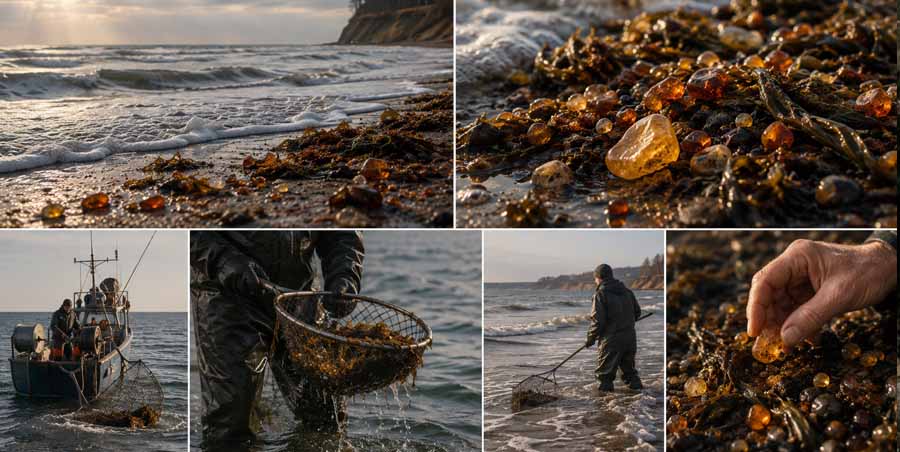
The vast majority of commercial deposits are extracted from deep ocean sediments along the Sambia Peninsula and surrounding sea beds.
Storm Churning Mechanics
Severe autumn and winter storms churn the cold sea floor, tearing submerged resin strata from ancient ocean beds.
Natural Flotation
Because authentic fossilized resin is lightweight and possesses a low specific gravity, it floats upward toward the surface once loosened.
Traditional Hand Net Harvesting
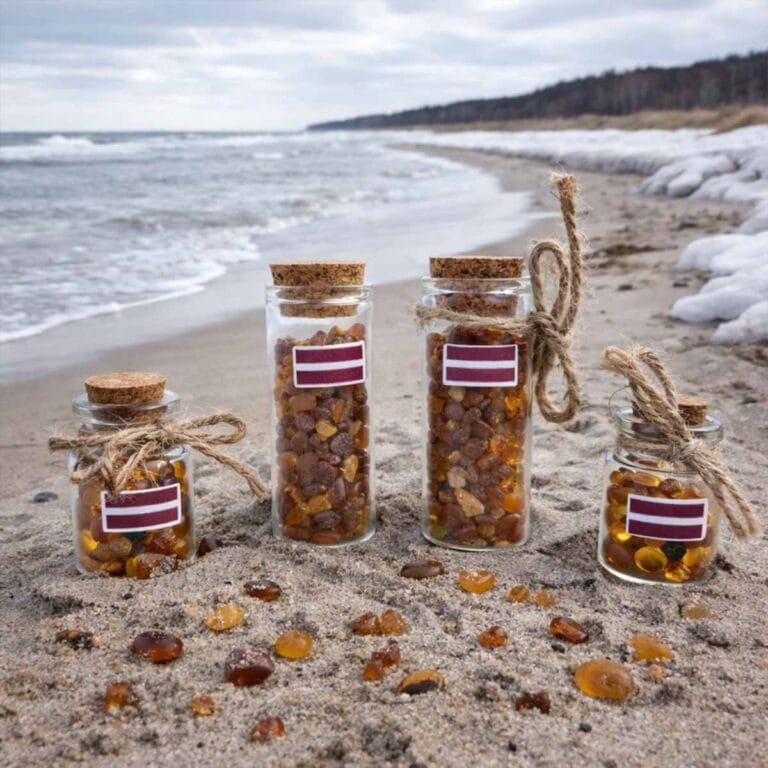
Local harvesters across the coastal beaches of Latvia and Lithuania still venture into icy ocean waves armed with long hand nets to scoop up ocean amber as it washes ashore among tangled sea kelp.
This organic harvesting tradition highlights why understanding what is baltic amber goes far beyond simple jewelry metrics. It connects human culture across thousands of years of trade, artistry, and coastal living.
The Timeless Resonance of Your Prehistoric Gem
Understanding the true what is baltic amber question transforms how you view and interact with these prehistoric gems. Rather than treating a piece of jewelry or home sculpture as a simple decorative item, you recognize it as an intentional anchor connecting your life directly to ancient earth history and Baltic culture. Modern life often pulls us into fast paced, synthetic environments, but wearing or displaying authentic fossilized resin provides a continuous sense of organic warmth, historical resonance, and emotional equilibrium.
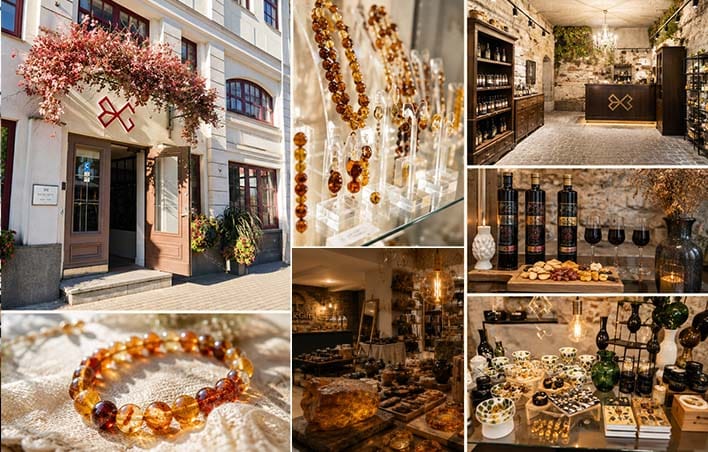
Mēs, “BalticGifts”, ģimenes uzņēmums pašā Vecrīgas sirdī, esam veltījuši savu darbu šo reģionālo tradīciju saglabāšanai. Mēs aicinām jūs apmeklēt mūsu galveno veikalu Kungu ielā, netālu no Melngalvju nama, nokāpt mūsu autentiskajā 17. gadsimta akmens pagrabā un izbaudīt silto “Taste of Latvia” degustāciju, vienlaikus klātienē izpētot mūsu roku darba kolekcijas. Tāpat jūs varat aplūkot mūsu tiešsaistes katalogu, lai ienestu autentisku Baltijas mantojumu tieši savās mājās.
Frequently Asked Questions (FAQ)
To help you navigate our wide selection even better and make the right choice, we have compiled answers to the most frequently asked questions.
BALTIC AMBER JEWELRY
Discover the timeless beauty of authentic Baltic amber.